Unlocking the Secrets of Bacterial Genomics

Whole Genome Sequence Analysis Workshop

Equip yourself with the knowledge and practical skills to leverage the power of whole genome sequencing for enhanced understanding and decision-making in food safety and bacterial research.

🚨 Limited to 20 Participants

📅 Date

May 2026 (Date TBD)

⏰ Time

9:00 AM - 4:00 PM

📍 Location

Institute for Food Safety and Health
6502 South Archer Road
Bedford Park, IL 60501

🎯 Format

Hands-on Workshop
Lectures + Practical Sessions

Register Now

Workshop Overview

Transform your approach to bacterial genomics research! In today's data-driven world, the wealth of sequence data available for foodborne pathogens and environmental microbiomes is growing exponentially. By harnessing this data, we can unlock crucial insights into pathogenicity, risk assessment, traceability, and more.

This intensive one-day workshop will guide you through the complex process of analyzing genome data, from quality control and assembly to phylogenetic analysis. Through a combination of lectures and hands-on sessions, you will dive deep into various aspects of next-generation sequencing (NGS) technologies, including both long-read and short-read sequencing.

You will learn how to: Navigate analysis workflows, utilize open-source tools such as GalaxyTrakr and the Pathogen Detection Website, perform quality control, assembly, build phylogenetic trees, and identify genes of interest, including those associated with antimicrobial resistance, virulence, and stress response.

Learning Outcomes

Quality Control Mastery

Master the essential techniques for assessing and ensuring the quality of sequencing data, including read quality metrics, contamination detection, and data preprocessing.

Genome Assembly Skills

Learn to assemble complete genomes from raw sequencing data using state-of-the-art assembly algorithms and validation techniques.

Phylogenetic Analysis

Build comprehensive phylogenetic trees to understand evolutionary relationships and track pathogen sources and transmission pathways.

Gene Identification

Identify and characterize genes of interest, including antimicrobial resistance genes, virulence factors, and stress response mechanisms.

Platform Proficiency

Gain hands-on experience with industry-standard tools like GalaxyTrakr and the FDA's Pathogen Detection Website.

Practical Implementation

Develop skills that can be directly implemented in your own laboratory for ongoing whole genome sequencing data analysis.

Expert Instructors

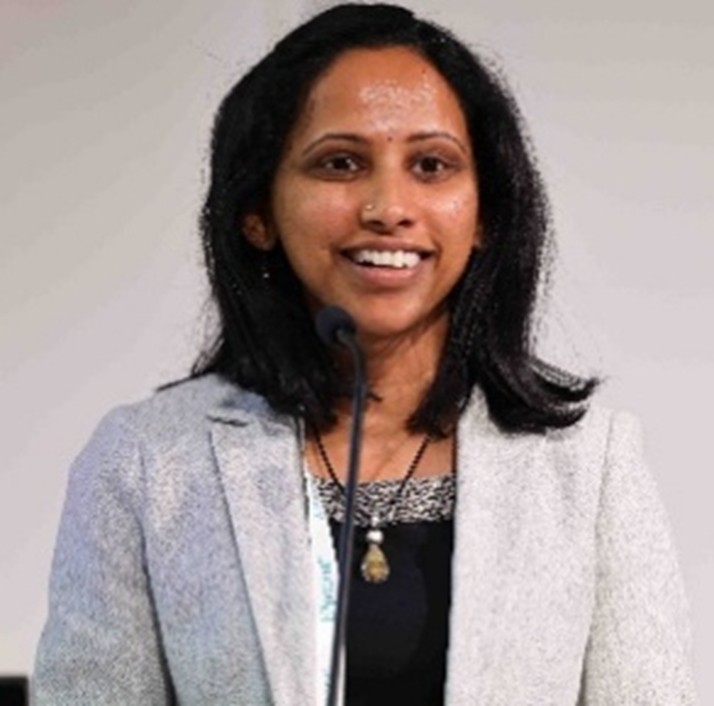
Dr. Padmini Ramachandran
Research Microbiologist
Division of Microbiology, FDA

Dr. Ramachandran is a leading expert in microbial genomics and bioinformatics at the FDA's Office of Regulatory Science. She specializes in the development and application of next-generation sequencing technologies for food safety and pathogen detection.
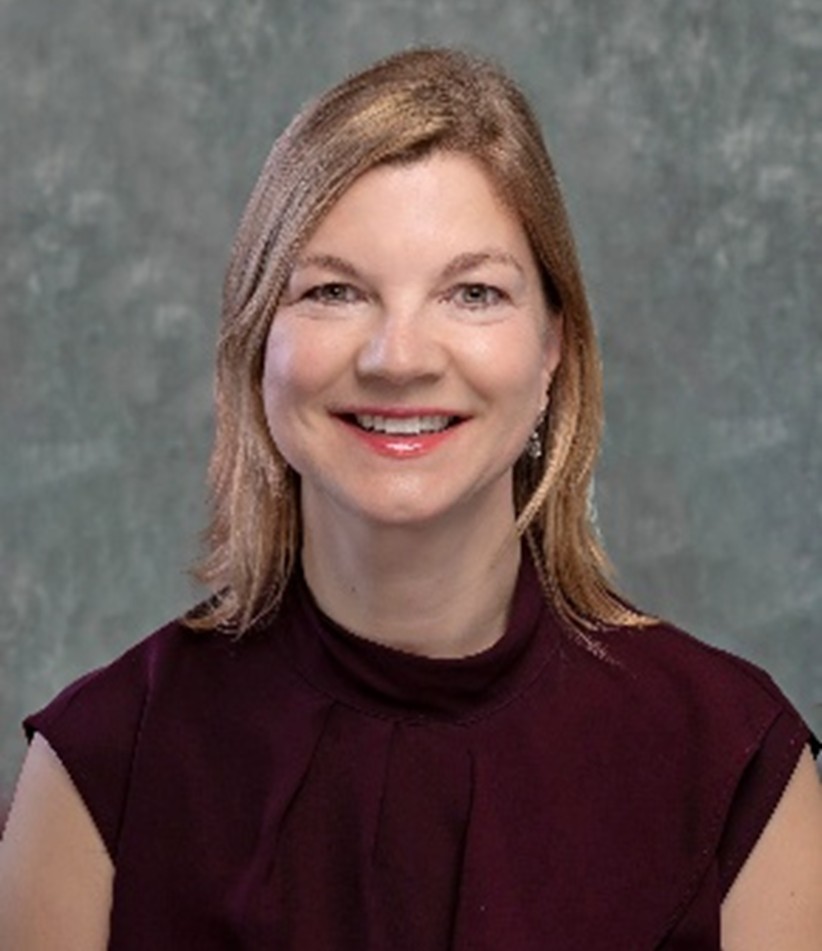
Dr. Maria Hoffman
Dr. Maria Hoffman
Research Microbiologist
Division of Microbiology, FDA

Dr. Hoffman brings extensive expertise in molecular microbiology and genomic epidemiology. Her research focuses on using whole genome sequencing for outbreak investigations and source attribution of foodborne pathogens.
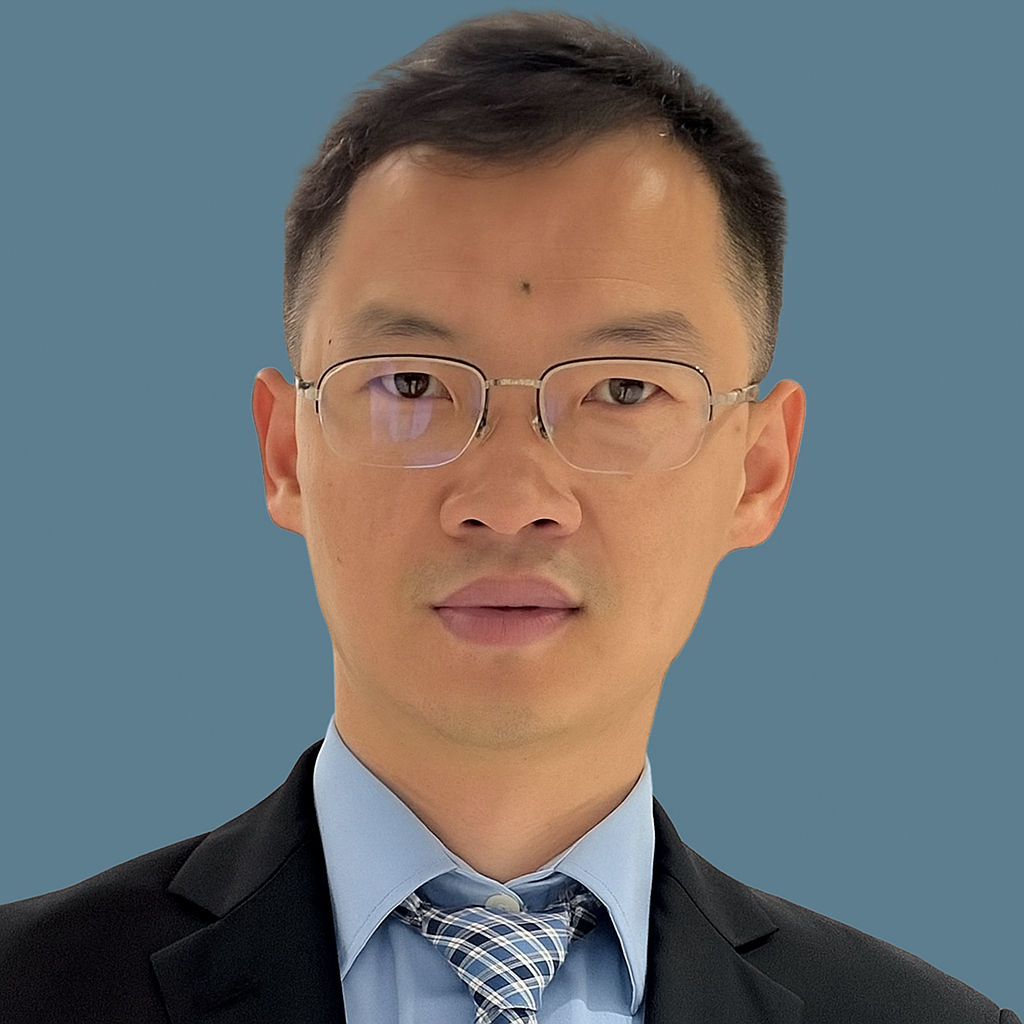
Dr. Renmao Tian
Dr. Renmao Tian
Research Scientist
IFSH HTS Initiative, Illinois Tech

Dr. Tian is a computational biologist and the developer of several bioinformatics tools including ASAP2, PlasmidHunter, and VBCG. He specializes in machine learning applications for genomic data analysis.

Dr. Behzad Imanian
Dr. Behzad Imanian
Research Assistant Professor & Lab Director
IFSH HTS Initiative, Illinois Tech

Dr. Imanian leads the IFSH High Throughput Sequencing Initiative and has extensive experience in microbial genomics, bioinformatics, and food safety applications of next-generation sequencing technologies.

Tools & Platforms

🌌

GalaxyTrakr Platform

Comprehensive bioinformatics platform providing user-friendly interfaces for complex genomic analyses. You'll learn to navigate this powerful tool for quality control, assembly, and annotation.

🔍

Pathogen Detection Website

FDA's real-time pathogen identification and tracking system. Gain hands-on experience with this critical public health tool used for outbreak investigations.

🧬

NCBI Databases

Learn to effectively utilize NCBI resources for sequence comparison, gene annotation, and phylogenetic analysis in your genomics workflows.

📊

Visualization Tools

Master data visualization techniques for presenting genomics results, including phylogenetic trees, quality metrics, and comparative genomics outputs.

Requirements & Prerequisites

Laptop Requirement

Bring your own fully charged laptop. Ensure your device has a stable internet connection and a modern web browser (Chrome, Firefox, or Safari recommended). No specific software installation required as we'll be using web-based platforms.

Experience Level

No prior experience required! This workshop is designed for beginners and intermediate users. We welcome participants from diverse backgrounds including food safety professionals, microbiologists, quality assurance specialists, and students.

Secure Your Spot Today!

⚡ Only 20 Spots Available - Register Early!

Join leading experts for this intensive, hands-on workshop that will transform your approach to bacterial genomics research.

What's Included:

✅ Full-day expert instruction
✅ Continental breakfast, lunch, and refreshments
✅ All workshop materials and access
✅ Certificate of completion
✅ Networking opportunities

Register for Workshop

Location & Logistics

📍 Venue

Institute for Food Safety and Health (IFSH)
6502 South Archer Road
Bedford Park, IL 60501

🚗 Parking

Free parking available on-site for all workshop participants.

🚌 Public Transportation

The facility is accessible via public transportation. Detailed directions will be provided upon registration.

🍽️ Catering

Continental Breakfast: 9:00 AM - 9:30 AM
Lunch: 12:00 PM - 1:00 PM
Afternoon Refreshments: Coffee and snacks

🏨 Accommodation

For participants traveling from out of town, we recommend staying at the Chicago Marriott Southwest at Burr Ridge for the symposium (May 2026, dates TBD).